
Corporate social responsibility is no longer limited to managing donations and preparing annual activity reports. Businesses today need to track programmes, work with multiple NGO partners, measure outcomes, manage employee volunteering, and provide reliable data for ESG disclosures. This makes the Relific vs SoulAce comparison increasingly relevant for organisations looking to improve their CSR operations in 2026. While both platforms aim to simplify CSR management, they take different approaches. Relific focuses on AI-powered impact operations and data traceability, while SoulAce combines CSR technology with more than 15 years of consulting and advisory experience.
Choosing between them is not simply about comparing features. Organisations need to consider their programme structure, reporting needs, NGO network, data requirements, and the level of strategic support they expect from a technology partner.
The Growing Need for Better CSR Management
CSR teams are dealing with more responsibilities than ever before.
A single organisation may have several NGO partners operating across different states and communities. Each partner may collect information differently, submit reports in different formats, and follow different timelines. Managing this information through spreadsheets, emails, and disconnected documents can create unnecessary complexity.
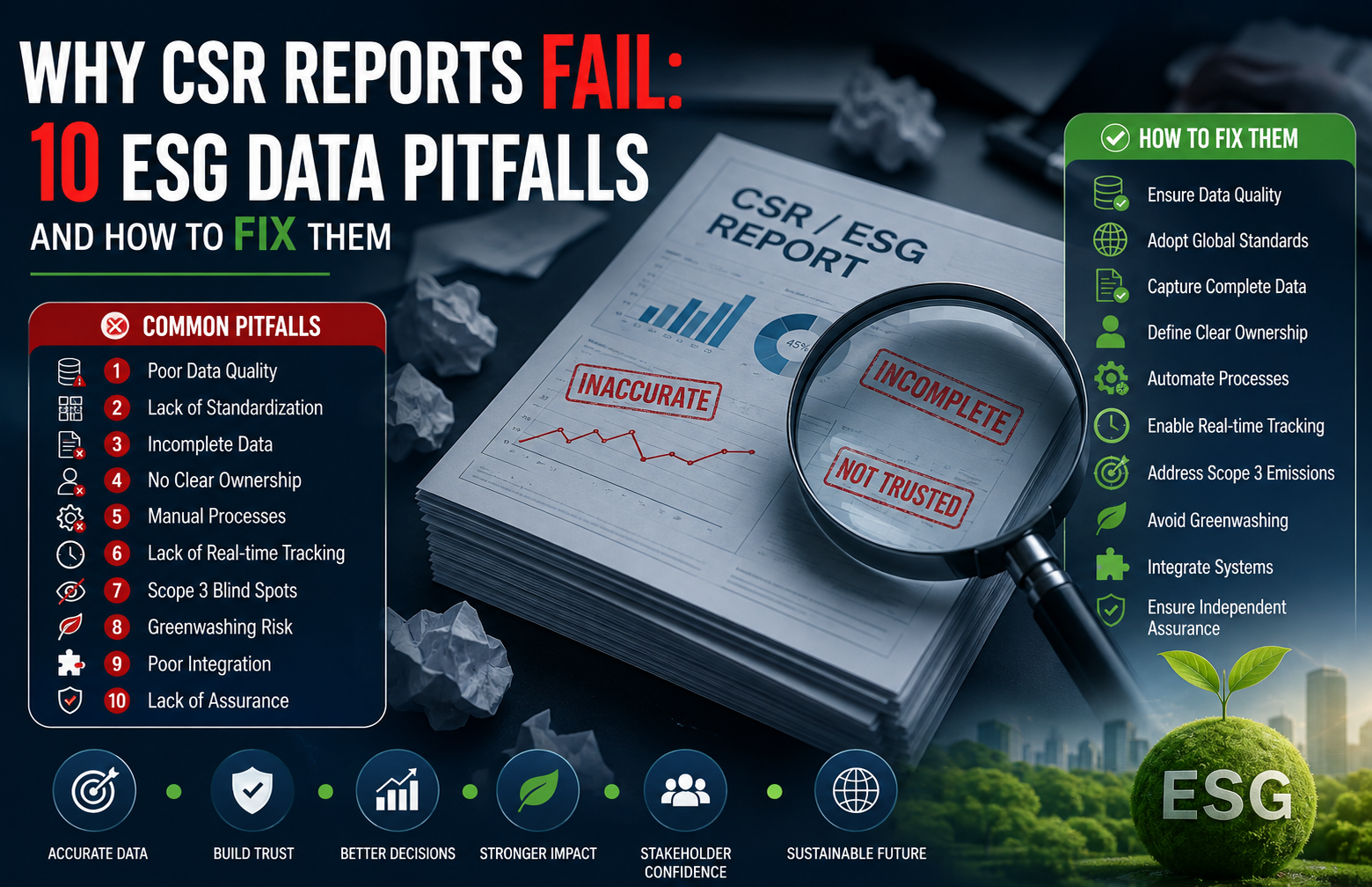
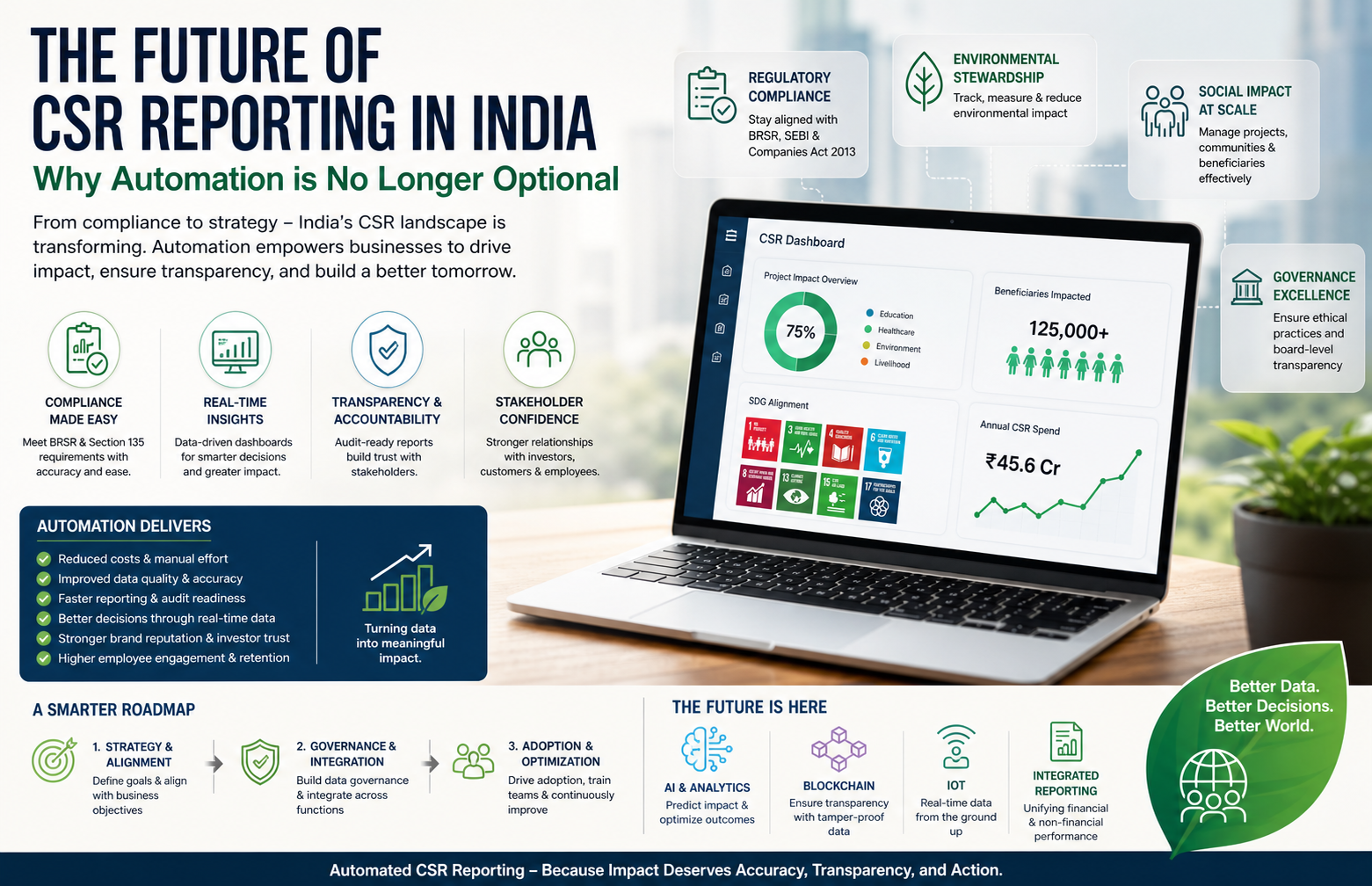
At the same time, expectations around ESG reporting and accountability continue to increase.
SEBI's BRSR Core framework has introduced a phased requirement for reasonable assurance on selected ESG KPIs. The top 1,000 listed entities are included in the framework from FY 2026-27.
For companies affected by these requirements, reporting is no longer just about presenting final numbers. The information behind those numbers also needs to be reliable.
If an assurance provider asks how a particular ESG figure was calculated, the company may need to trace it back to the original data source. This makes data collection, documentation, and operational controls an important part of the CSR function.
Relific Focuses on the Data Behind CSR Impact
Relific takes a technology-first approach to CSR management.
The platform is built around the idea that reporting problems often start with operational problems. If data collected from the field is inconsistent or if NGO partners use disconnected systems, CSR teams may spend significant time cleaning and consolidating information before they can prepare a report.
Relific aims to connect field data collection, programme management, and reporting within one impact operations ecosystem.
Surve-R for Field Data Collection
Surve-R is designed to help field teams collect information through mobile devices.
Its AI-guided adaptive forms are intended to create a more structured data collection process. The platform also supports offline functionality, which can be useful for programmes operating in locations with limited internet access.
Features such as GPS tagging and photo capture can provide additional context and evidence for field activities.
This approach may be particularly useful for CSR initiatives in areas such as education, healthcare, agriculture, and climate action, where much of the programme data originates in remote or geographically dispersed locations.
The goal is to improve data quality at the source rather than trying to correct inconsistencies later.
ProGran for Programme and Grant Management
Relific's ProGran module focuses on managing the wider CSR programme lifecycle.
It supports areas such as programme planning, grant applications, NGO onboarding, milestone management, disbursements, monitoring and evaluation, and outcome reporting.
This can be useful for companies that work with a large number of implementation partners.
As the number of NGOs increases, managing agreements, payments, milestones, documentation, and impact information can become increasingly difficult. A connected workflow can help bring these activities into a single operational environment.
Voluntee-R for Employee Engagement
Relific also provides Voluntee-R for employee volunteering.
The solution is designed to support volunteer initiatives and track participation and volunteering hours. Integrating this information with broader CSR operations can make it easier for companies to monitor employee engagement and include relevant data in their reporting.
Drive-R for Impact Intelligence
Drive-R acts as an intelligence and analytics layer for impact data.
Together, these solutions are intended to create a continuous flow of information from field activities to programme operations and ultimately to reporting.
This approach reduces the need to treat reporting as a separate year-end activity. Instead, the information needed for reporting can be generated as part of ongoing CSR operations.
Why Organisations May Consider Relific
One of Relific's key strengths is its focus on source-level data quality.
For organisations preparing for BRSR Core assurance, having a clear trail from a reported metric to its original source can be valuable. Structuring data at the point of collection may help organisations maintain greater consistency and improve traceability.
Relific also focuses on multi-NGO programme management. Companies managing several implementation partners may benefit from having onboarding, milestones, disbursements, monitoring, and outcome reporting connected within one system.
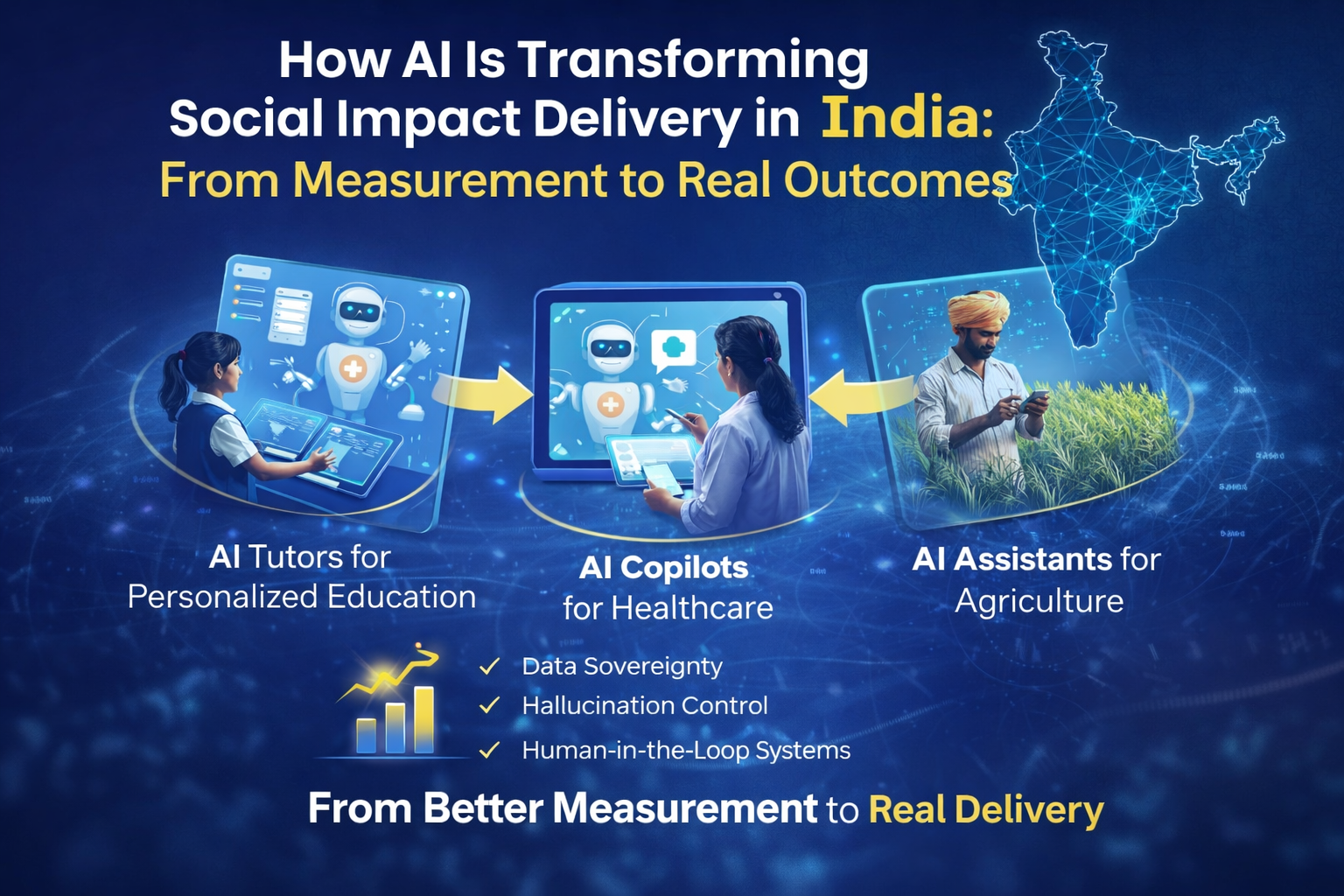
AI is another important part of its approach. The platform incorporates AI into areas such as adaptive data collection, anomaly detection, programme recommendations, and document processing.
However, companies should also consider potential limitations.
Relific is a younger platform compared with more established CSR consulting organisations. While its customer base is expanding, some companies may prefer vendors with a longer history and a larger pool of established enterprise references.
Implementation is another factor to consider. Technology alone does not guarantee successful adoption. NGO partners and internal teams may require training and support, which can increase implementation time and costs.
SoulAce Combines Technology With CSR Consulting
SoulAce takes a more consulting-led approach to CSR management.
Founded in 2009, the organisation has more than 15 years of experience in CSR consulting and advisory services. Its work covers areas such as CSR strategy, impact assessment, programme management, and fund utilisation reviews.
In addition to its consulting capabilities, SoulAce offers technology solutions for CSR grant management, ESG reporting, and employee volunteering.
This combination of professional expertise and technology is one of its main differentiators.
SoulAce states that it has worked with more than 150 corporate clients across more than 200 districts and 26 states. Its published case studies include organisations from sectors such as insurance, pharmaceuticals, steel, and FMCG.
For companies that want to work with an experienced CSR partner rather than rely only on software, this background can be an important advantage.
Security and Enterprise Readiness
Technology security is an important consideration for large organisations.
SoulAce publicly documents ISO 27001:2013 certification and SOC 2 compliance. Its technology infrastructure also includes AWS hosting, AES-256 encryption, VAPT audits, and multi-factor authentication.
These credentials can be relevant for organisations where technology purchases need to pass detailed IT, security, legal, and procurement reviews.
For enterprise buyers, established security practices may provide additional confidence when evaluating a CSR technology partner.
ESG Reporting Frameworks
SoulAce also offers support for multiple ESG reporting frameworks.
Its ESG platform supports GRI, BRSR, SASB, and CDP.
This can be useful for organisations that need to manage several reporting frameworks, particularly companies with international operations or diverse ESG disclosure requirements.
Relific's approach is more focused on the operational data infrastructure supporting impact reporting and BRSR traceability.
This creates an important distinction between the two platforms. SoulAce may appeal more to organisations that prioritise broader framework support and consulting expertise, while Relific may be more attractive to companies focused on strengthening their operational data and field-level processes.
Which Platform Should You Choose?
There is no universal answer because each organisation has different CSR requirements.
Relific may be a strong option for organisations that:
Collect large amounts of field-level data
Work with multiple NGO partners
Run programmes in remote or low-connectivity areas
Need stronger source-to-report traceability
Want AI integrated into CSR workflows
Need employee volunteering data connected with broader CSR operations
SoulAce may be a better fit for organisations that:
Want technology combined with CSR consulting
Prefer an established CSR partner
Have strict enterprise security requirements
Need support for GRI, BRSR, SASB, and CDP
Value a broad corporate client base and references
Need strategic advice in addition to software
The decision should therefore be based on your organisation's actual operating model rather than a simple feature comparison.
Test the Platforms With Real CSR Scenarios
A product demonstration is useful, but it should not be the only part of the evaluation process.
Companies should ask vendors how long it will take to move from implementation to the first board-ready report.
They should also understand how NGO onboarding works. If an organisation works with 15 or 20 independent implementation partners, those partners will need to adopt the new system successfully. Training, support, and change management can have a significant effect on the overall success of the implementation.
Another important test is source-to-report traceability.
Select one specific BRSR or ESG metric and ask the vendor to demonstrate how the final reported figure can be traced back to its original field record.
This practical exercise can provide a much clearer understanding of how well the platform supports reliable reporting and assurance requirements.
Companies should also request references from organisations with similar programme complexity. A business managing one small CSR initiative will have very different needs from a company running multiple programmes across several states with dozens of NGO partners.
Consider the Total Cost of Ownership
The cost of CSR software is not limited to the licence or subscription fee.
Companies should consider the total cost of ownership over several years. This may include implementation, configuration, NGO onboarding, training, change management, internal resources, and integrations.
NGO onboarding deserves particular attention.
If partners struggle to adopt the platform, companies may need to invest additional resources in training and support. Understanding these requirements before signing a contract can help organisations avoid unexpected costs later.
Is a Hybrid Strategy Possible?
Some organisations may find that a combination of both approaches works for them.
For example, a company could use Relific for field data collection, programme operations, NGO management, and BRSR data tracking while engaging SoulAce for strategic CSR consulting or independent impact assessments.
This could allow the organisation to combine technology-driven operational management with established CSR expertise.
However, a hybrid approach requires careful coordination. Companies would need to define data ownership, system responsibilities, integration requirements, and reporting processes clearly.
Without proper planning, using multiple platforms could create additional data silos and make operations more complicated.
Final Thoughts
Relific and SoulAce offer two different ways to approach CSR technology in 2026.
Relific focuses on creating an AI-powered impact operations ecosystem that connects field data collection, programme management, NGO workflows, employee volunteering, and reporting.
SoulAce combines technology with more than 15 years of CSR consulting experience, an established corporate client base, enterprise security credentials, and support for multiple ESG reporting frameworks.
If your organisation's biggest challenge is fragmented field data, complex NGO operations, and the need for stronger source traceability, Relific may be the better fit.
If you are looking for an experienced CSR partner that can provide technology alongside consulting and strategic support, SoulAce may be more suitable.
Ultimately, the best choice depends on your organisation's specific requirements. Consider the number of NGO partners you manage, the locations where your programmes operate, the quality of your existing data, your BRSR and ESG reporting needs, your security requirements, and the amount of advisory support your team needs.
CSR management is becoming increasingly connected to transparency and accountability. Companies need to demonstrate not only how much they spend, but also what their programmes achieve and whether the information behind their impact claims can be trusted.
The right CSR platform should help create a reliable connection between activities, outcomes, and reporting. Whether your organisation chooses Relific, SoulAce, or a carefully planned combination of both, the final decision should be based on the solution that best matches your operational reality and long-term CSR objectives.


Write a comment ...